
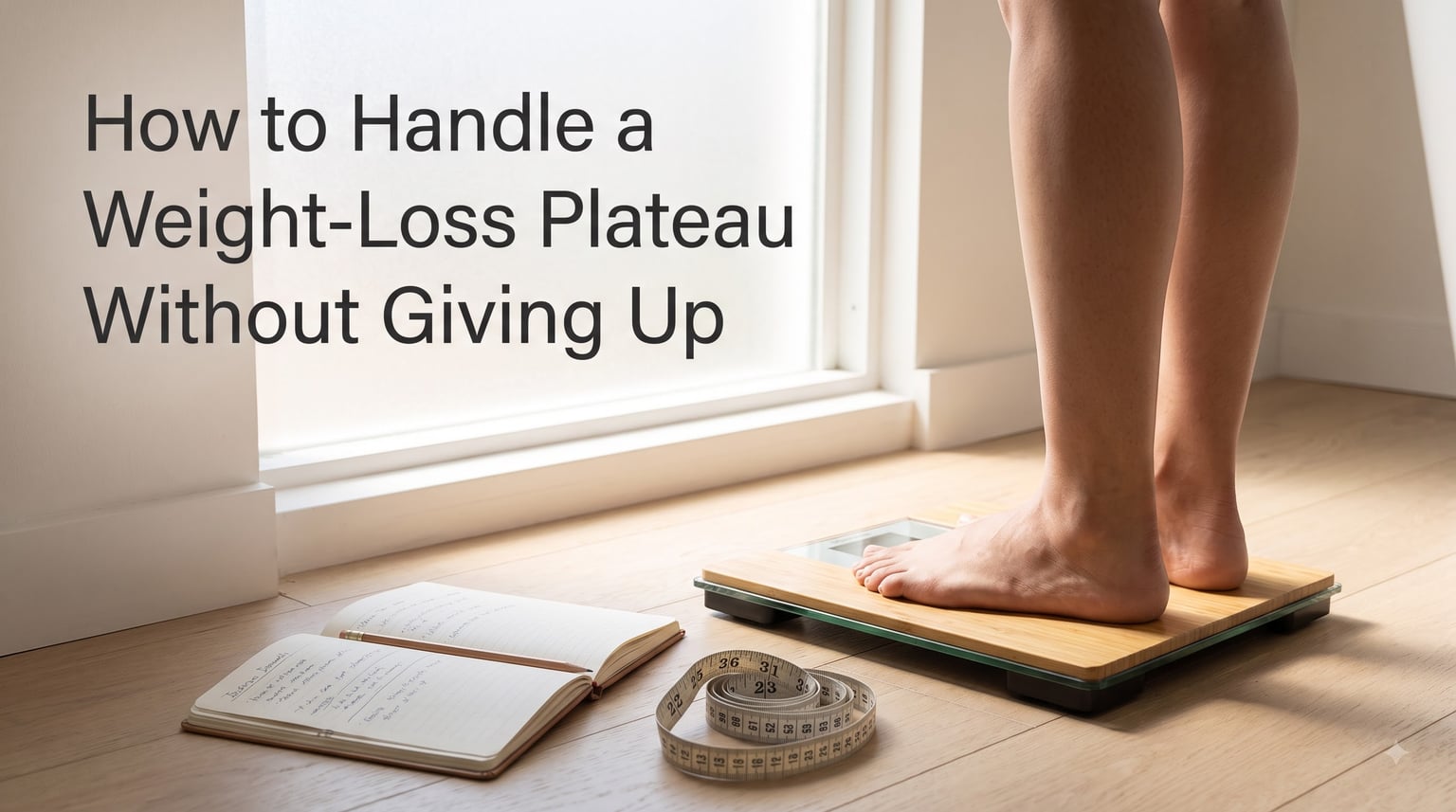
I’ve been there. You crush the first 10 or 15 pounds, the scale moves every week, and then suddenly it just stops. That’s the moment most people start thinking about quitting, and it’s the exact moment this guide is built for. In 2026, understanding how to handle a weight-loss plateau without giving up can be the difference between reaching your goal and bouncing back to where you started.
Plateaus are frustrating, discouraging, and completely normal. They’re also solvable. I’ll walk you through why your body stalls, what you can do today to restart progress, and how to keep your head in the game when the scale refuses to move. By the end, you’ll have a clear plan to push through instead of giving up.
Table of Contents
What Is a Weight-Loss Plateau?
A weight-loss plateau is a stretch of 2 to 6 weeks where your weight stays roughly the same even though you’re still eating well and exercising. The scale may wiggle by a pound or two, but the overall trend flattens out, and that lack of movement is what defines the plateau.
The most common plateau sign is a stalled scale despite consistent effort. Other signs include your clothes fitting the same way they did three weeks ago, energy dips during workouts, and a nagging feeling that something has stopped working. Some people also notice their hunger returning, which often signals the body’s hormonal system kicking in to defend its current weight.
Plateaus usually show up after the first 4 to 8 weeks of a weight-loss phase, once you’ve already lost a meaningful amount of weight. The body is simply doing what it’s designed to do, which is protect you from what it perceives as a threat. The good news is that a plateau isn’t failure. It’s feedback.
Why Plateaus Happen
Plateaus happen because your body adapts to the calorie deficit you created. As you lose weight, your metabolism slows down, your hormones shift to defend your new weight, and you burn fewer calories doing the same workouts. This is called metabolic adaptation, and it’s one of the biggest reasons people stall.
Metabolism Slows Down Naturally
When you weigh less, your body needs fewer calories to function. A 180-pound person burns more at rest than a 160-pound person doing the same daily activities. That drop is automatic and unavoidable, which is why the same calorie deficit that worked at the start of your journey stops producing results after several weeks.
Hormones Shift to Defend Your Weight
Hunger hormones like ghrelin rise, while satiety hormones like leptin drop. The result is increased appetite, cravings, and a powerful biological push to return to your previous weight. This isn’t a willpower problem. It’s your physiology, and it explains why plateaus feel so emotionally heavy.
Glycogen, Water, and Muscle Changes
Glycogen, the stored form of carbohydrate in your muscles and liver, holds water. As you cut carbs or increase training, your glycogen stores shrink, and the water attached to them drops too. That can hide fat loss on the scale for a couple of weeks before the trend reveals itself again. This is also why some people experience a sudden “whoosh” effect after a long stall.
NEAT Drops Without You Realizing
NEAT, or non-exercise activity thermogenesis, is the calories you burn from fidgeting, walking, standing, and everyday movement. When you’re tired or in a deficit, NEAT drops first, often before you notice. Less pacing, fewer spontaneous walks, and more sitting all quietly shrink your daily burn.
How to Break Through a Weight-Loss Plateau
Breaking through a weight-loss plateau takes a combination of small, intentional changes rather than one dramatic shift. Here’s a step-by-step plan you can start applying this week.
Step 1: Reassess Your Calories Honestly
The first thing I do with anyone who hits a plateau is pull out a food tracker. Portion sizes drift upward over time, cooking oils add up, and “little bites” rarely get counted. Recalculate your calorie needs for your current weight, then track every meal and snack for at least one week. Most people discover they’re eating 200 to 400 calories more than they think.
Step 2: Increase Protein Intake
Protein is the most filling macronutrient and has the highest thermic effect of food, meaning your body burns more calories digesting it than it does digesting fats or carbs. Aim for 0.7 to 1 gram of protein per pound of body weight. Lean meats, eggs, Greek yogurt, cottage cheese, legumes, and protein powder all work. Higher protein also protects muscle during a deficit.
Step 3: Change Your Exercise Routine
If your body has adapted to your workouts, you need to surprise it. Here’s how:
- Add 1 to 2 resistance training sessions per week if you aren’t already lifting. Muscle preservation keeps your metabolism higher.
- Increase workout intensity with intervals, hills, or heavier weights instead of just adding more time.
- Mix in low-intensity movement like walking, which adds NEAT without adding recovery stress.
- Try a new activity entirely, like swimming, cycling, or a class, to challenge muscles in new ways.
Step 4: Reign In Carbs and Boost Fiber
You don’t need keto, but trimming refined carbs and adding soluble fiber can help. Vegetables, berries, oats, beans, and chia seeds keep you full and stabilize blood sugar. Aim for 25 to 35 grams of fiber per day from whole-food sources. You’ll feel satisfied on fewer calories, and your digestion will thank you.
Step 5: Audit Your Sleep and Stress
Poor sleep raises cortisol and ghrelin, both of which stall fat loss. Aim for 7 to 9 hours per night and keep a consistent schedule. Chronic stress does the same thing, so build in two or three short recovery practices daily, like a 10-minute walk, journaling, breathing exercises, or stretching. These aren’t extras. They’re part of the plan.
Step 6: Track More Than the Scale
The scale is one data point, and it’s a noisy one. Track waist and hip measurements, take progress photos every 2 weeks, and notice how your clothes fit. Many people are losing inches during a “scale plateau” and don’t realize it. If your measurements are moving, your plan is working.
Step 7: Consider a Diet Break or Refeed
Sometimes the best move is to eat at maintenance for a week or two. This resets hunger hormones, restores training energy, and gives you a mental break. It’s not a free-for-all. You simply bring calories up to maintenance, prioritize protein, and then return to your deficit. Many forum users report breakthroughs right after a planned break.
Staying Motivated During a Plateau
Motivation is what keeps you going when the scale won’t, and it deserves as much attention as your meal plan. Plateaus are where most journeys are won or lost, not during the easy early weeks.
Reframe What Success Looks Like
A scale stall is not the same as stalled progress. If your waist shrunk by half an inch, your energy is up, and your blood work has improved, you are succeeding. I encourage you to keep a “non-scale victories” list, where you note every win that isn’t a number on the scale. Sleep quality, mood, energy, strength gains, and compliments all count.
Expect the Whoosh Effect
Many people, myself included, have watched the scale stay stuck for 3 weeks and then drop 4 pounds in a weekend. This “whoosh” happens when fat loss catches up to fluid shifts. Trust the process and stop making panicked changes every Monday morning. Consistency over weeks matters far more than perfection on any single day.
Protect Your Mental Energy
Compare yourself only to your past self, not to anyone on social media. Unfollow accounts that make you feel behind, and limit the time you spend weighing yourself if it triggers stress. I recommend weighing no more than once a week, ideally the same day, same time, in the same conditions.
Build a Support System
Whether it’s a friend, a coach, or an online community, accountability changes everything. When you feel like giving up, a quick check-in with someone who’s been through it can pull you back from quitting. Plateaus are easier when you don’t white-knuckle them alone.
When to Seek Professional Help
If your plateau has lasted longer than 6 weeks despite consistent effort, or you suspect an underlying issue, it’s time to loop in a professional. A registered dietitian can audit your intake, while a doctor can rule out thyroid problems, hormonal shifts, medication side effects, or sleep issues like sleep apnea that quietly stall progress.
People using GLP-1 medications such as Mounjaro, Ozempic, or Wegovy often hit plateaus too, especially when the dose hasn’t been adjusted or lifestyle habits haven’t shifted to support the medication. Working with a doctor who understands these medications is essential for breaking through safely. If you’re on a GLP-1 and stuck, don’t increase your dose on your own. Talk to your prescriber.
If your plateau is paired with emotional struggles like binge eating, body image distress, or losing motivation entirely, that’s another sign to reach out. A therapist or counselor who specializes in health behavior change can help you untangle the mental side of the journey.
Frequently Asked Questions
Will a weight loss plateau go away on its own?
Plateaus may resolve on their own if caused by temporary water retention, but most require intentional changes to your diet or exercise routine to break through.
How do I shock my body out of a plateau?
You can shake up your metabolism by increasing exercise intensity, adjusting your calorie intake, changing your macronutrient ratios, or incorporating intermittent fasting.
Is it normal to reach a weight loss plateau after 6 weeks?
Yes, hitting a plateau after 6 weeks of consistent weight loss is very common and happens to most people as the body adapts to a lower body weight.
How long do weight loss plateaus typically last?
Weight loss plateaus typically last 2 to 6 weeks, though some can persist longer depending on your metabolism, adherence, and the strategies you use to overcome them.
The Bottom Line
Learning how to handle a weight-loss plateau without giving up is really about understanding your body, adjusting your plan with intention, and refusing to let a quiet scale define your progress. Plateaus are proof that your body is responding to the work you’ve done, not a sign that the work has failed.
Pick one or two strategies from this guide, apply them consistently for the next two weeks, and trust the process. Track the wins that aren’t on the scale, protect your sleep and stress levels, and don’t be afraid to ask for help when you need it. The weight you want to lose is still ahead of you, and you’re closer than you think.